
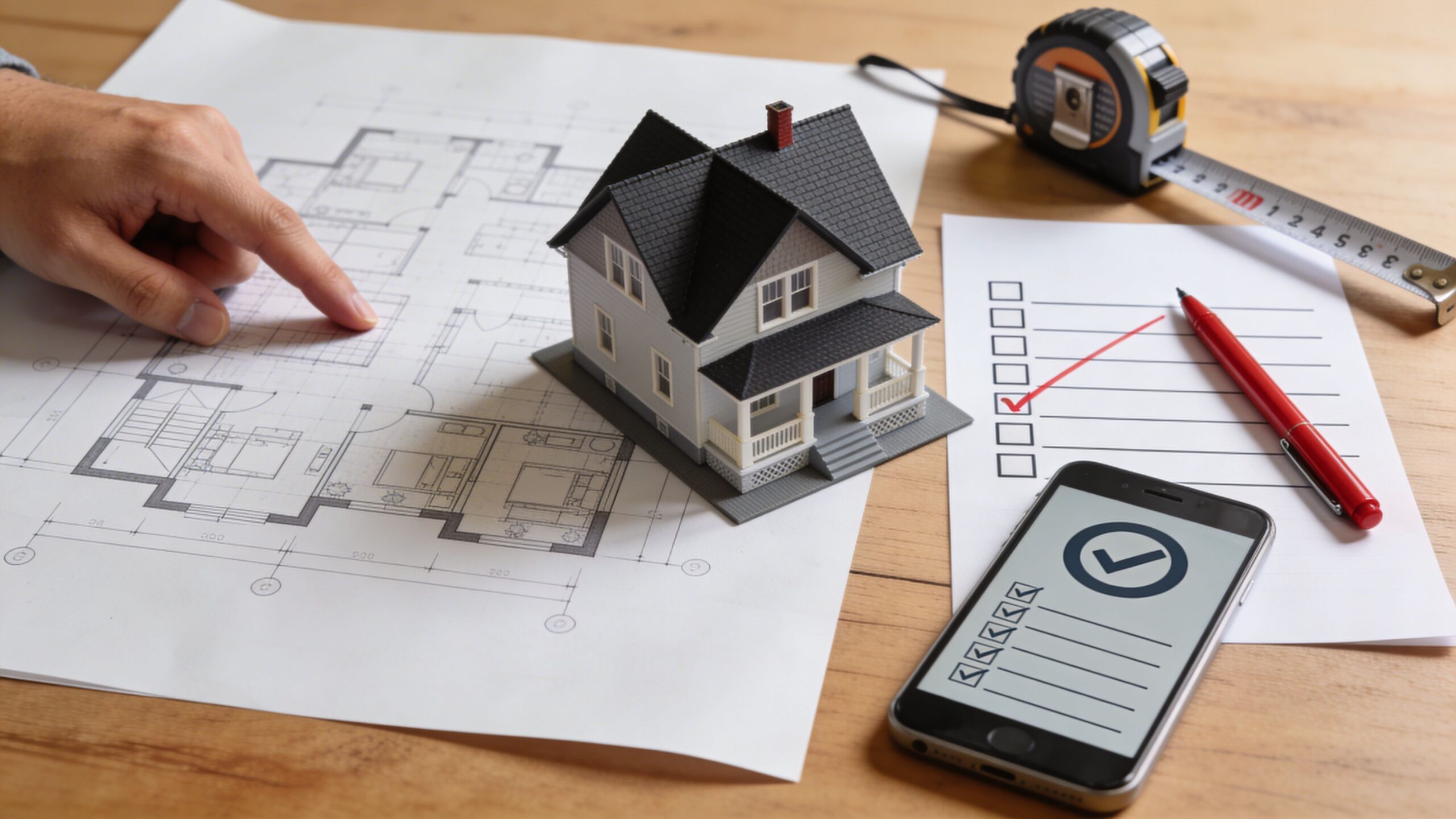
You’ve probably had this moment already. You’re standing on a lot near Saratoga Lake, out on a rural road in Washington County, or walking an older property in Albany or Saratoga Springs, and you can see the house in your head before a single plan exists on paper.
That part is fun.
The hard part is choosing the high-end custom home builder who offers the right design-build services and can turn that vision into a real home without letting the process drift off course. In the Capital Region, that matters even more because the land, permits, boards, and site conditions can change the job fast. A waterfront lot in Warren County is a different animal than an in-town renovation in Clifton Park or a ground-up build outside Glens Falls.
A good builder gives you quality work. A great one brings order to a complicated process, keeps decisions connected, and protects your budget from avoidable mistakes. That’s what clients should be looking for from day one.
Starting Your Custom Home Journey in the Capital Region
A custom home usually starts with land and lifestyle. Not square footage.
Morning light in the kitchen, mudroom storage that works, a first-floor primary suite, lake views without overheating the great room, a lower level that doesn’t feel like a basement. Those choices should shape the plans before anyone talks about trim profiles or tile.
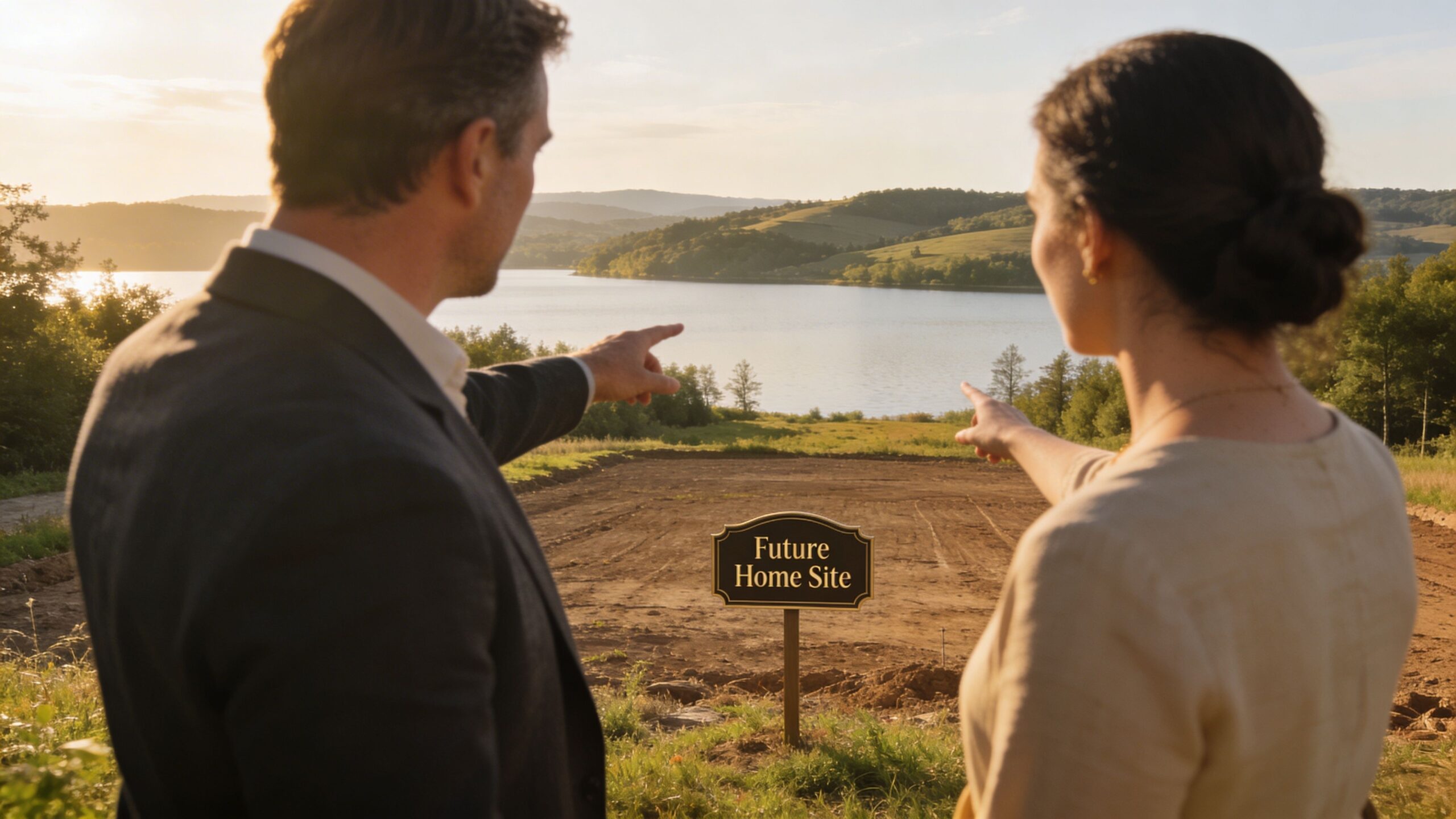
What a real builder does before construction starts
A lot of people still think the builder comes in after the drawings are done. On a high-end home, that approach often creates problems early.
A seasoned builder should be involved in site review, early budgeting, feasibility, permitting strategy, and constructability. That means looking at things like driveway approach, drainage, septic or utility constraints, grade changes, shoreline setbacks, and whether the house you want fits the lot the way you think it does.
Practical rule: If the team can’t explain how the land affects the design, they’re not ready to price the project responsibly.
The design-build model proves its worth. When design, budgeting, permits, and construction sit under one roof, fewer details get lost between separate parties. The benefit isn’t just convenience. It’s better coordination. Data shows that integrated project delivery can prevent costly coordination mistakes, and builders with local knowledge often perform better on complex projects such as Albany permitting or lakefront work in Warren County.
Why one team usually works better
When the architect, estimator, and builder all work separately, homeowners often become the go-between. That sounds manageable until one person says a wall can move, another says the beam cost changed, and a third says the permit set is already submitted.
One team solves that faster. Decisions stay connected.
For local homeowners, it also helps to work with a builder who already knows the area they serve. If you’re comparing who works where, this Capital Region service area overview gives a sense of the towns and counties a design-build contractor may already know well.
What works and what doesn’t
A few patterns show up over and over.
- What works: Early site visits, realistic preliminary budgeting, and room-by-room conversations about how your family lives.
- What works: Bringing finish expectations into the discussion early, especially for kitchens, baths, built-ins, and millwork.
- What doesn’t: Falling in love with a floor plan before anyone studies the lot.
- What doesn’t: Treating permits like paperwork instead of part of the project strategy.
The best starts are usually calm, not flashy. Good custom homes get built through disciplined planning.
Creating Your Builder Shortlist
A strong project usually begins with a short list, not a long one.
You don’t need ten builders. You need a focused group that works in the kind of neighborhoods, towns, and site conditions that match your project. If you’re building in Saratoga Springs, renovating in Albany, or planning a lake-area home near Glens Falls or Lake George, the right fit matters more than broad marketing.
What to look for online
A builder’s website should tell you more than whether they have nice photography. It should show a pattern.
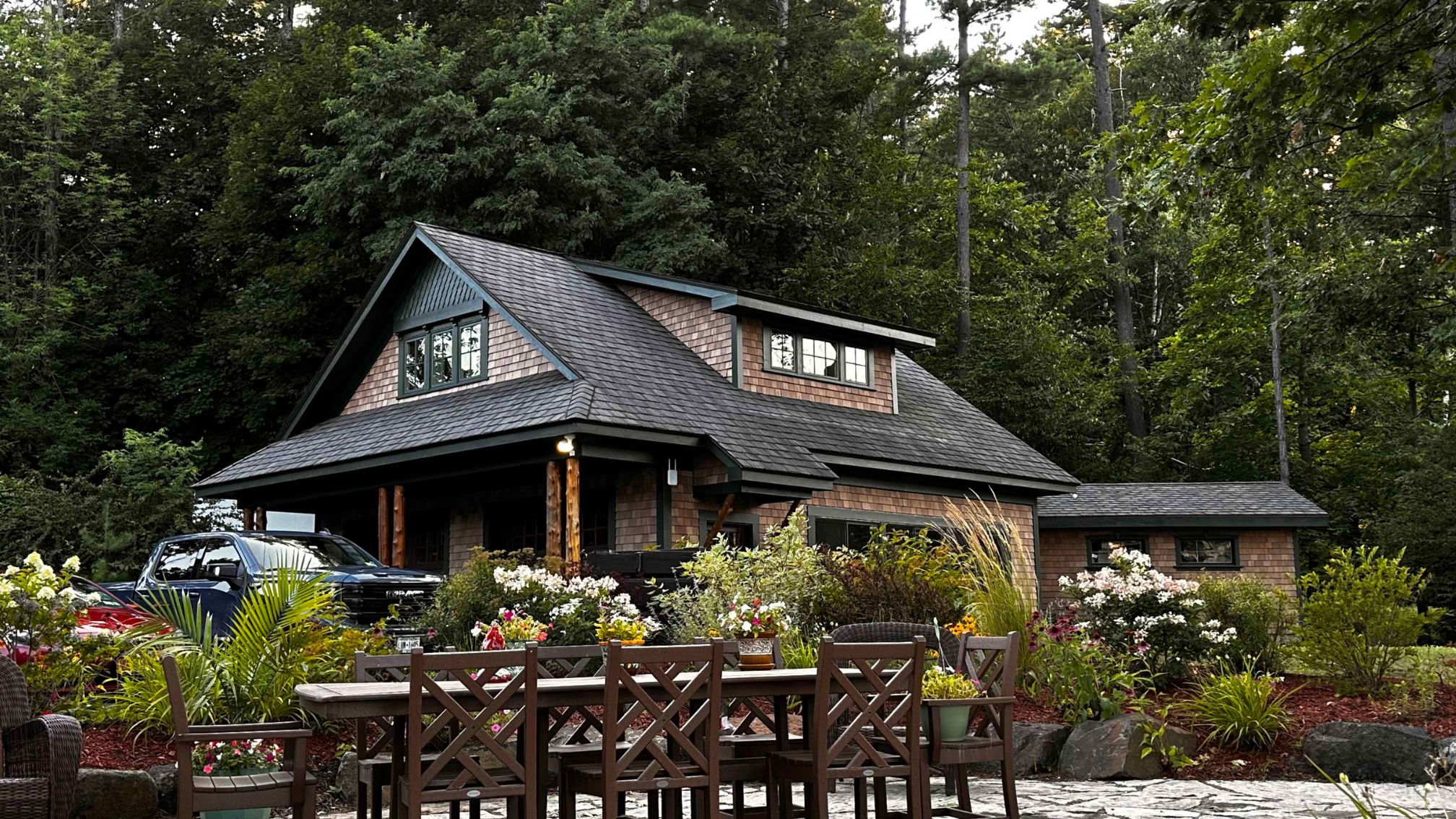
Look for consistency in finish level, project type, and design thinking. One polished kitchen photo doesn’t tell you much. A portfolio that shows full homes, trim details, built-ins, stair work, exterior execution, and thoughtful room layouts tells you a lot more.
A portfolio page is paramount for evaluation. If you want to review examples of completed work and the kind of craftsmanship a design-build company handles, start with a project gallery like this one: custom home and renovation portfolio.
Signs that deserve a closer look
A builder moves onto the short list when you can see a few things clearly:
- Local relevance: They work in places like Saratoga Springs, Clifton Park, Albany, Glens Falls, Queensbury, or nearby counties where permitting and site conditions are familiar.
- Project match: Their past work looks like your job. A company that mainly does simple production-style homes may not be the right fit for a fully custom build on a difficult lot.
- Process clarity: They explain how design, budgeting, selections, and construction connect.
- Craftsmanship depth: The details look intentional. Cabinet alignments, trim transitions, stair parts, tile layout, and exterior proportions all matter.
What should make you hesitate
Some builders photograph well but don’t communicate much about process. Others show wide stylistic swings that suggest there isn’t a clear standard from project to project.
A good portfolio doesn’t just show taste. It shows control.
If everything online feels vague, if there’s no evidence of complex work, or if the projects don’t resemble what you’re planning, keep moving. The goal is to get down to three or four candidates who fit your scope, style, and location.
Your Vetting Checklist for Top Candidates
Once you have a short list, the tone changes. You stop browsing and start verifying at this stage.
A high-end custom home builder should be comfortable answering hard questions. If they get defensive when you ask about insurance, schedule control, change orders, or references, that tells you something before the project even begins.
The checklist that matters
Start with the basics, but don’t stop there. License and insurance are necessary. They are not enough.
The builders worth serious consideration should also be able to explain how they manage risk before construction starts. That includes budget discipline, selections planning, scope control, and a clear process for client decisions.
Top-quartile builders reach 75 to 85% on-time and on-budget success rates by using stronger pre-construction systems, including capping change orders at 5% of contract value and using detailed personalization lists. That matters because 40% of overruns come from client-driven changes (pre-construction risk modeling and change order control).
Builder Evaluation Checklist
| Evaluation Point | What to Look For | Builder 1 Notes | Builder 2 Notes |
|---|---|---|---|
| Insurance and licensing | Current documentation, clear coverage, no hesitation sharing it | ||
| References | Clients who can speak honestly about problems, not just praise | ||
| Process | Clear explanation of design, budgeting, selections, permits, and build sequence | ||
| Change orders | Written process, approvals, pricing method, limits on drift | ||
| Site experience | Familiarity with lakefront, rural, sloped, or historic properties in the Capital Region | ||
| Finish quality | Consistent trim work, cabinetry fit, tile layout, stair details, and exterior execution | ||
| Communication | One point of contact, meeting cadence, documented updates |
How to check references the right way
Don’t ask, “Were you happy?”
That gets polite answers. Ask better questions.
- Ask about problems: What went wrong, and how did the builder respond?
- Ask about money: Were allowances, upgrades, and changes explained clearly?
- Ask about time: Did the builder keep the project moving when delays showed up?
- Ask about the ending: Was the punch list handled thoroughly?
A smooth project isn’t one with zero issues. It’s one where the builder handles issues without confusion or finger-pointing.
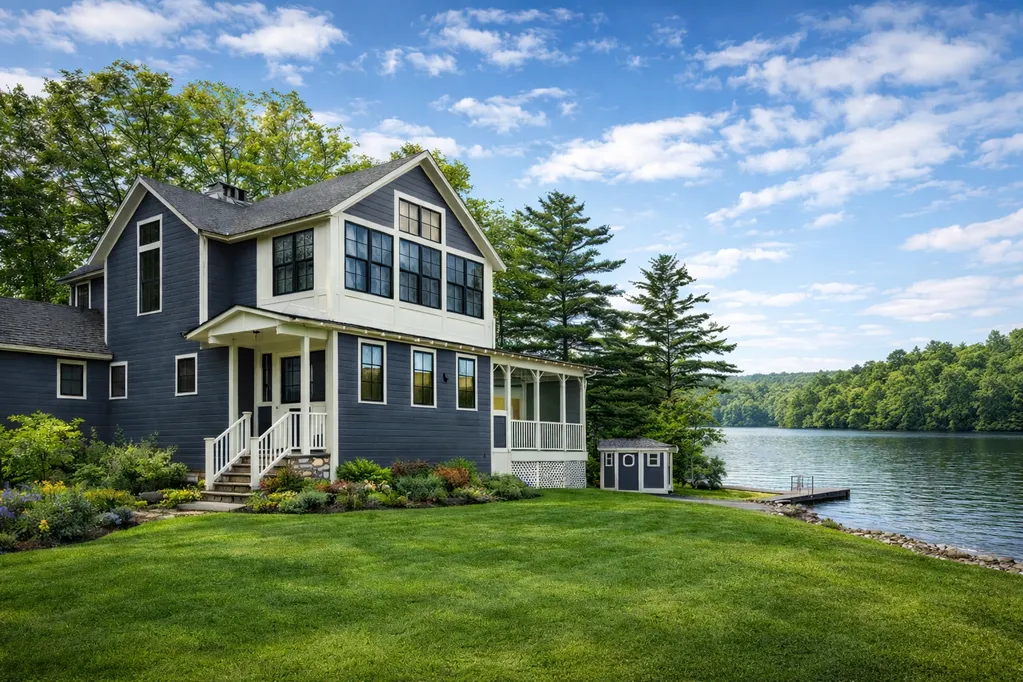
Review past work with a builder’s eye
Try to look beyond style. Focus on execution.
Walk completed homes if that’s possible. Open cabinet doors. Look at paint lines. Check whether flooring transitions feel intentional. Study stair assemblies, built-ins, and trim returns. In high-end work, small details tell you how the whole job was managed.
A polished conversation can be helpful. Tight finish work is better.
Key Questions to Ask During the Interview
The first meeting should feel like a working conversation, not a sales pitch.
You’re not just hiring someone to build walls and roofs. You’re entering a long relationship that will involve money, timing, trust, and a lot of decisions. The interview should show you how the builder thinks when things are clear and when they aren’t.
Questions that reveal how they really work
Some questions get straight to the point faster than others.
Ask these:
- How do you handle change orders once construction starts?
- Who will be my day-to-day contact during design and during the build?
- How do you build the budget before final selections are complete?
- What happens if site conditions change after excavation begins?
- How often will we meet, and how are decisions documented?
- What parts of the project do you want finalized before permits are submitted?
Those questions tell you whether the builder has a real system or is improvising.
Why change order answers matter so much
Many custom jobs get into trouble at this point in the process. Design changes during construction can push a project off course fast.
Scope creep is a major risk and can lead to 15 to 25% cost overruns. High-end builders reduce that risk with fixed-price contracts, clear allowances, and pre-defined finish palettes, which can reduce change orders by up to 40% (scope control and fixed-price discipline).
If a builder talks about changes casually, expect your budget to move casually too.
A good answer sounds organized. They should explain who approves the change, how it’s priced, what it does to the schedule, and how they prevent repeated revisions.
Listen for specifics, not charm
A solid interview answer has details. It sounds like this: selections are tracked, meetings happen on a set rhythm, and communication has a clear owner.
A weak answer usually sounds broad. “We keep clients updated.” “We’re flexible.” “We figure it out.” That language might sound friendly, but it doesn’t protect your project.
One local option homeowners sometimes consider is Smooth Cuts Custom Homes & Furniture, which handles design-build work, permits, construction, finish work, and custom interior elements under one process. Whether you speak with that team or another one, the interview standard should be the same. You want direct answers and a method you can understand.
Local Insight for Your Capital Region Project
Building in Upstate New York is rarely a copy-and-paste process.
A lot in Saratoga Springs might be straightforward from the road and complicated at the rear setback. A rural parcel in Washington County can look open and easy until septic layout, drainage, and driveway grading start affecting where the house can sit. A lakefront property in Warren County may come with shoreline limits, review layers, and site restrictions that national guides never mention.
Where local knowledge pays off
Take three common project types.
In Saratoga Springs, homeowners sometimes run into historic review concerns, neighborhood expectations, and tighter site planning around older homes or established streetscapes.
In Warren County, especially around lake and mountain areas, the lot itself can drive the whole build. Grade, rock, access, and environmental review can all shape the design before excavation begins.
In Albany and nearby suburbs like Clifton Park, additions and whole-home renovations often require a different kind of coordination because the new work has to tie into existing framing, utilities, and finish conditions cleanly.
A local builder doesn’t just know the code path. They usually know where projects stall and how to keep them moving.
That experience matters because the custom market has remained steady even while the broader housing market has struggled. In Q2 2025, custom building starts reached 54,000, up 4% year over year, and custom homes accounted for about 19% of single-family starts. Over the preceding four quarters, starts totaled 184,000 homes, up 2% from the prior period, according to the NAHB report on custom home building growth in Q2 2025.
The lot always has a vote
That’s especially true in the Capital Region.
- Lakefront lots: Views are great. Access, setbacks, drainage, and erosion control can be less forgiving.
- Rural lots: Wells, septic placement, long utility runs, and winter site conditions can affect both cost and layout.
- In-town renovations: Existing structure surprises can influence schedule and finish coordination.
The right builder plans around those realities early instead of trying to solve them after the drawings are already fixed.
Making Your Final Choice and Avoiding Red Flags
By the time you’re down to one or two finalists, the decision usually becomes simple. Not easy, but simple.
Choose the builder who combines strong craftsmanship with a clear process, clean communication, and honest discussion about trade-offs. Luxury work is growing globally, with the custom luxury home market projected to expand at 11.3% annually from 2024 to 2030, but these projects also face average overruns of 12 to 15% from material delays and labor premiums. That’s why disciplined budget control and supplier relationships matter so much (custom luxury home market growth and overrun pressure).
Green lights
You’re probably in good hands when a builder does these things:
- Shows a detailed process: They can explain design, pricing, permits, selections, and construction in plain language.
- Talks openly about constraints: They don’t pretend every idea is simple or every wish list item fits the budget.
- Provides a contract with structure: Allowances, responsibilities, payment schedule, and change procedures are spelled out.
- Keeps communication clean: You know who to call, when updates happen, and how decisions are recorded.
Red flags
Walk away if you see these patterns:
- Vague pricing: They give a broad number with no explanation behind it.
- Pressure to sign fast: Good builders don’t need urgency tricks.
- Loose answers about changes: If they can’t explain the paper trail, the costs will get muddy.
- Thin local experience: If your lot is complex, inexperience will show up later and cost more.
Trust matters here. You’re choosing a partner for a long project.
When you’re ready to move from interviews to an actual project conversation, this is the point to request a formal consultation through the builder’s contact page.
Frequently Asked Questions
How long does it take to build a high-end custom home in the Capital Region
It depends on the lot, design complexity, permit path, and finish level. A lakefront or rural property usually needs more upfront coordination than a flat in-town site. The smartest move is to ask your builder for a schedule that includes design, permitting, selections, and construction instead of only the build phase.
Is design-build better than hiring separate design and construction teams
For many homeowners, yes. One team handling design, budgeting, permits, and construction usually means fewer communication gaps and better cost control. It’s especially helpful in places like Saratoga Springs, Albany, Warren County, and Washington County, where local permitting and site conditions can affect decisions early.
What should I bring to the first meeting with a builder
Bring anything that helps define the project clearly. That can include a survey, listing photos, inspiration images, rough room counts, a target budget range, and notes about how you want to live in the home. If you already own the lot, bring every document you have on it.
What’s the biggest mistake people make when choosing a high-end custom home builder
They focus too much on appearance and not enough on process. Beautiful photos matter, but they don’t tell you how the builder handles allowances, schedule changes, permits, site surprises, or communication. Ask how the work is managed, not just how it looks.