
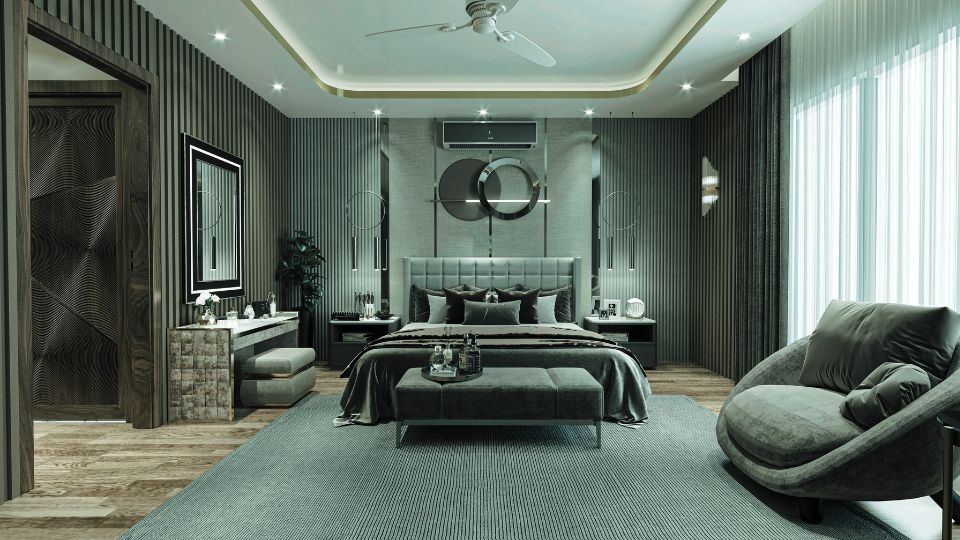
You bought land outside Saratoga Springs, or maybe you are standing in a dated house in Clifton Park thinking, “We can make this place ours.” The ideas come fast. Bigger kitchen. Better layout. Mudroom that works well in winter. Windows facing the view. Maybe a first floor primary suite. Maybe a full custom home from scratch.
Then the core question lands.
Who do you hire first?
That choice shapes almost everything that comes after it. Your timeline. Your budget stress. How many calls you need to make. How many times you have to hear, “That wasn’t included.” Around Albany, Glens Falls, Lake George, and the smaller towns in between, that decision matters even more because local projects rarely happen on a blank, simple playing field. You are dealing with weather, permitting, site access, snow loads, grades, septic, wells, historic details, lakefront rules, and town-by-town expectations.
Most homeowners end up choosing between two paths. Design build services or general contractor.
Both can work. Both can produce a great house. But they do not work the same way, and they do not fit the same kind of homeowner or project.
Your Custom Home Journey Starts with One Big Choice
A lot of people start in the same place. They have a rough budget, a Pinterest board, and a pretty clear feeling for how they want the house to live. They do not always have plans yet. They usually do not know how permitting will go. And they are not sure whether to call an architect, a builder, or both.
That early stage feels exciting because anything seems possible. It also feels messy because every decision connects to three others.
Take a typical local example. A family buys a lot in Queensbury with great views and a slope that looks manageable in summer. Once the leaves drop and survey work starts, the site tells a different story. Driveway approach, drainage, foundation design, and where the house should be sited all become part of the core conversation. If the design gets too far ahead of the construction reality, the redraws start. If construction decisions come too early, the house can lose what made it special in the first place.
That is why the design build vs general contractor decision is not just paperwork. It sets the working relationship for the entire project.
Why this choice matters so early
One path puts design and construction under one roof. The other separates them.
That affects:
- Who guides the project first
- How pricing gets developed
- How problems get solved
- How much coordination falls on you
In the Capital Region, that coordination piece is not small. A project in Albany might involve tighter lot conditions and older structures. A project near Lake George may bring site constraints and review steps that need attention early. A new home in Saratoga County has its own code, utility, and scheduling realities.
The best project setup is the one that matches both the house and the homeowner. Not just the drawings.
Some homeowners want one team to own the full process. Others want to hire their architect first, lock in the design, and bid it out after. Neither approach is automatically right. The right one depends on the kind of build you are taking on and how involved you want to be day to day.
We’ve actually created a new 2026 custom home builders guide to crafting your dream home, so you might want to check that out for a look at what’s ahead for your home building journey.
Understanding the Two Paths for Your Project
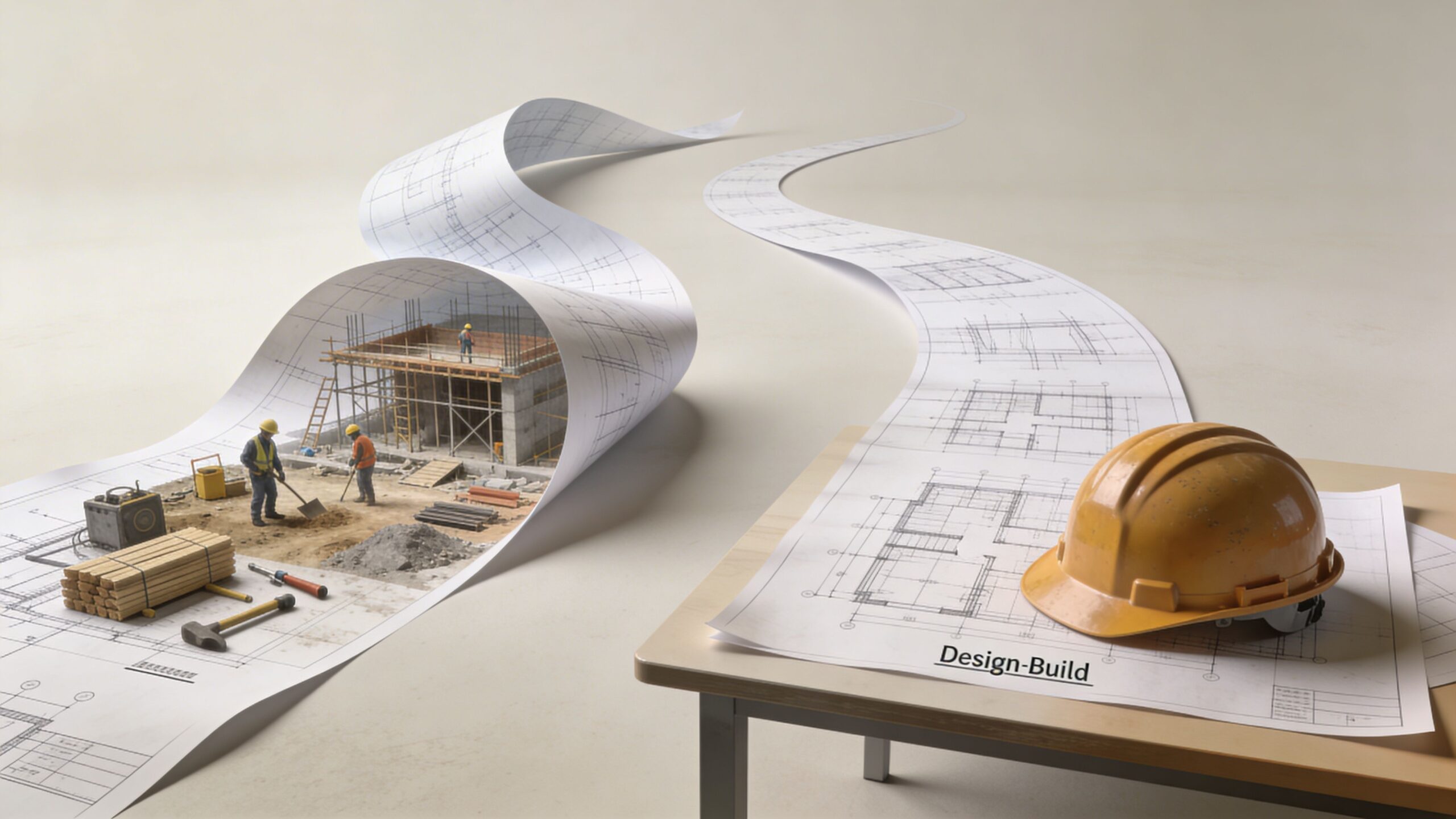
At the simplest level, the difference comes down to how many teams you hire and who carries responsibility when things get complicated.
| Project model | Who you hire | How it usually works | Best fit |
|---|---|---|---|
| Design build | One company under one contract | Design and construction are developed together | Custom homes, major renovations, complex lots, owners who want one lead |
| General contractor | Designer or architect first, contractor second | Full design is created, then builders bid or price the plans | Owners who want separate roles and more direct control over decisions |
What a general contractor model looks like
With a traditional general contractor route, you usually hire an architect or designer first. That person develops the plans. Once the plans are far enough along, you bring in contractors to price the work or bid the job.
That setup gives you a clear separation between design and construction. Some homeowners like that. They want the design developed independently before a builder weighs in. If you already have a designer you trust, or you want to compare multiple contractor bids from the same set of plans, this path can make sense.
The trade-off is coordination. If the builder sees something in the plans that does not work well in the field, somebody has to sort that out. Sometimes the homeowner becomes the middleman without meaning to.
What a design build model looks like
In a design build setup, one team handles both the design side and the construction side under one contract. The layout, selections, pricing logic, scheduling, and buildability discussions happen together from the start.
That usually means fewer handoffs and fewer moments where one side says the other side missed something. If a window layout affects framing, budget, or lead time, those issues get discussed earlier.
For homeowners comparing options, custom home building services often make this process easier to understand because they show what is included from planning through final construction.
A U.S. Federal Highway Administration study found that design-build projects are often significantly larger and more complex, with average costs over eleven times higher than traditional general contractor projects, which shows how well the model handles major undertakings in practice (FHWA design-build study).
The primary difference is accountability
The biggest difference is not the contract form. It is who owns the gap between idea and execution.
- In design build, one team owns that gap.
- In a general contractor setup, the gap gets managed across separate parties.
That distinction matters most when the project gets complicated, which custom homes in upstate New York usually do.
Comparing Key Project Differences Head to Head
A homeowner in Saratoga County can get tripped up here fast. The floor plan looks good on paper, then the first site meeting brings up drainage, septic offsets, a long driveway, or a foundation detail that should have been discussed weeks earlier. The project path you choose affects how those issues get handled.
Process and timeline
Design build allows design decisions, pricing, and construction planning to happen at the same time. A general contractor setup usually runs in sequence. Plans get finished first, then priced, then revised if the numbers or details do not work.
That difference matters in the Albany-Saratoga area.
Miss the right window for excavation or concrete, and the schedule can run straight into frost, mud season, or winter protection costs. On a custom home, a few months is not a small delay. It can change labor efficiency, material storage, site access, and how soon the house gets dried in. For homeowners building in our Capital Region service area, that timing issue is often one of the biggest practical differences between the two models.
Communication and responsibility
This is usually where the day-to-day experience separates.
With design build, one team carries the conversation from early plans through field decisions. If a window size affects framing, glass cost, and exterior detailing, the same group works through it together.
With a general contractor model, communication can still be clean and professional. It just depends more on coordination between separate parties. The architect, builder, and owner may all need to review the same issue before a decision sticks. That can work well for an owner who wants a stronger hand in every step, but it also creates more chances for delay or mixed assumptions.
Design build
- One primary team manages design, pricing, and construction questions
- Selections and layout changes usually get reviewed for cost and buildability right away
- Responsibility stays clearer when problems show up on site
General contractor
- Design and construction stay separate from the start
- Owners often have more say in choosing each professional individually
- More coordination usually falls on the owner or architect during construction
A busy homeowner usually feels that difference within the first few weeks.
Cost and budgeting
Budget problems usually start long before the first invoice. They start when the drawings, allowances, site work, and finish expectations are not aligned early enough.
Design build tends to catch that sooner because builder input is part of the design process. If the lot needs extra fill, a retaining wall, upgraded drainage, or longer utility runs, those costs have a better chance of getting discussed before the plans harden. That is especially useful on custom homes in this region, where sloped lots, rural utilities, and local permitting requirements can shift real numbers quickly.
A general contractor path can still hold budget well if the plans are complete and the owner makes decisions early. The risk is timing. If pricing comes in after the design is far along and it misses the target, revisions can affect square footage, structure, finishes, or both.
Risk management
Every custom home has a few pressure points. Permit comments. Lead times. Site conditions. A framing conflict. A cabinet layout that changes a window. None of that is unusual around here.
The critical question is who solves it, and how fast.
In a design build model, the people drawing and the people building are already working as one group, so revisions usually move faster. In a general contractor model, issues can still be handled well, but the owner should expect more back-and-forth if there is a question about scope, detail, or responsibility.
Quick side by side
| Area | Design build | General contractor |
|---|---|---|
| Workflow | Design and construction are coordinated together | Design is usually completed before construction pricing and execution |
| Main contact | One primary team | Multiple contacts |
| Budget development | Pricing is shaped during design | Pricing is often finalized after design |
| Problem solving | Issues are resolved within one team | Issues are resolved across separate teams |
| Best for | Complex custom homes, tighter coordination, faster decisions | Owners who want separate contracts and more direct oversight |
Which Model Best Fits Your Local Project
The better question is not “Which one is best?” It is “Which one fits the project in front of me?”
When design build usually makes more sense
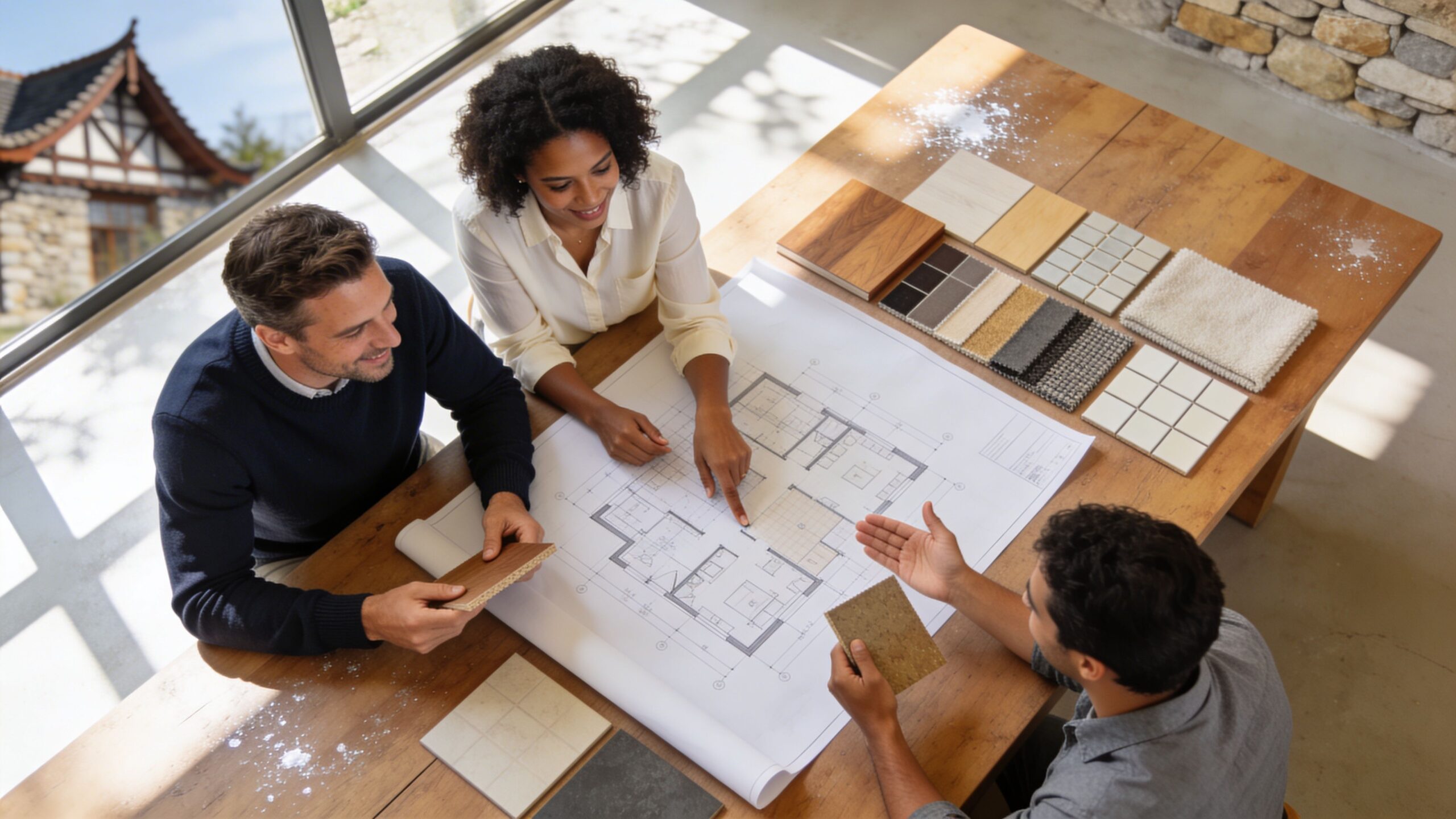
Think about a custom home on a lakefront or rural lot in Warren or Washington County. The site may look simple until you factor in grades, driveway approach, drainage, septic location, tree clearing, utility runs, and what the town wants to see in the permit package. If the house also includes custom built-ins, detailed trim, a large kitchen, and a lot of glass, small design choices can affect structure, labor, and lead times quickly.
That kind of project benefits from early builder input. Recent supply chain volatility has been shown to cut cost overruns by 22% in Northeast custom homes when design-build teams get involved early, and the same source notes that design-build boosts overall satisfaction by 15%, even though some owners still prefer more direct control over changes (local trade-off discussion on design-build and GC).
This is often the better fit for:
- Complex custom homes in Saratoga Springs, Lake George, Queensbury, or Hudson Falls
- Whole-home renovations where old conditions may force midstream adjustments
- Busy homeowners who do not want to coordinate architect, builder, and trades themselves
If you want to see whether a team operates in your town or county, checking a contractor’s service area is a simple first step.
When a general contractor may fit better
A general contractor route can make sense when you already have plans you trust and want to keep the designer separate from the builder. Some homeowners prefer that structure because they like reviewing every trade-off independently.
It can also fit a homeowner who wants deep daily oversight. If you want more say in late changes, specialty selections, or how specific trade packages are handled, the traditional route may feel more comfortable.
That can apply to:
- A straightforward renovation where the scope is already well defined
- A project with an established architect you plan to stick with from start to finish
- An owner-builder mindset where you want to stay highly involved in details and approvals
The more hands-on you want to be, the more a separated model may appeal to you. The more coordination you want off your plate, the more design build tends to make sense.
Personality matters as much as project type
This part gets ignored too often.
Some homeowners enjoy weekly decision meetings and want to weigh every option. Others have demanding jobs and just want clear updates, good process, and no confusion. The right delivery model should match your time, temperament, and tolerance for complexity, not just your floor plan.
Making the Right Choice in the Capital Region
A family in Saratoga Springs can buy a beautiful set of plans in January, then hit delays by April because the lot drains poorly, the driveway approach needs revision, or the town wants changes before issuing permits. That is the part many homeowners do not see coming. In the Albany-Saratoga area, the delivery method you choose affects how early those problems show up and how expensive they are to solve.
Why local conditions change the decision
Local building work has a rhythm of its own.
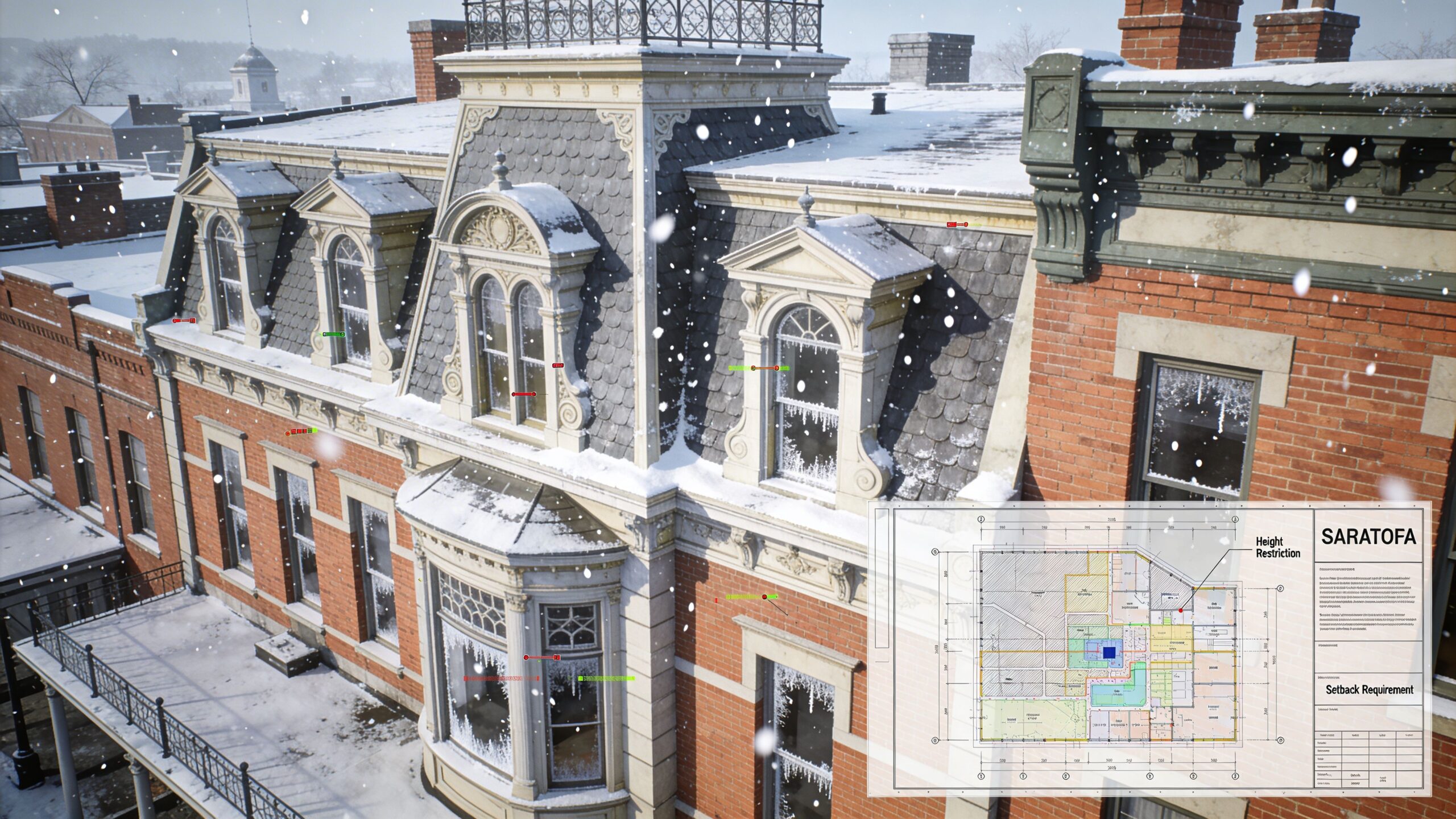
Frost depth, snow load, spring mud, ledge, well and septic coordination, and town-by-town review can all change cost and schedule after the first sketch. A house tucked onto a wooded lot in Wilton or near the lake can raise different construction questions than an infill project in Albany or a tear-down in Saratoga Springs. The right process catches those questions early, before you are revising plans that already took time and money to produce.
Design build often fits that reality well because the builder is involved while the home is still being shaped. That helps with practical decisions such as foundation approach, roof lines that shed snow well, window placement for winter exposure, and site work that will function during thaw and runoff. If you want to see the level of detail that kind of planning produces, review our custom home project portfolio.
A simple decision checklist
Use this test for a Capital Region project:
- Choose design build if your lot has slope, rock, drainage concerns, access limits, or other site variables that could force design changes later.
- Choose design build if you want pricing, selections, and buildability discussed early instead of after the plans are complete.
- Choose a general contractor path if you already have finished plans, trust your architect, and want separate roles with separate review.
- Choose a general contractor path if you plan to stay closely involved in approvals, coordination, and design decisions throughout the job.
What Usually Works Best Here
For custom homes and major renovations around Saratoga, Clifton Park, Albany, and the surrounding towns, early coordination usually saves frustration. It reduces the gap between what looks good on paper and what works on an actual site in this part of New York.
The traditional route still has a place. It can work well with a disciplined owner, a clear set of plans, and a project team that communicates well from day one.
Choose the model that matches your site, your schedule, and how involved you want to be once real decisions start piling up.
Questions to Ask Before You Hire Anyone
A good interview tells you more than a glossy portfolio ever will. You want to know how a team thinks when the job gets hard.
Ask about process, not just price
Start with questions that expose how the project will run.
- Who is my day-to-day contact once design starts and once construction starts?
- How do you handle conflicts between budget, design goals, and field conditions?
- At what point do you start checking selections and details against the project budget?
- How do you manage changes after work is underway?
A vague answer usually means the process is vague too.
Ask for specifics on local experience
A contractor does not need to tell you every town hall story they have, but they should sound comfortable discussing local realities.
Ask things like:
- How do you approach permitting in towns like Saratoga Springs, Clifton Park, Queensbury, or Albany?
- What site issues do you look for before finalizing design decisions?
- How do you plan around winter conditions and seasonal scheduling?
If you want to see whether their finished work shows the level of detail you care about, reviewing a project portfolio is more useful than looking at a handful of pretty renderings.
Ask how they protect the budget
This matters in either model.
Try these:
- What is your process for identifying cost pressure early?
- How do you present allowances, upgrades, and owner selections?
- How often do you review the budget as the design develops?
- How are change orders documented and approved?
Ask who owns the problem
Every project hits a snag. The answer you want is not “that never happens.” The answer you want is a clear process for solving it.
The right builder is not the one promising a perfect project. It is the one showing you a calm, repeatable way to handle the imperfect parts.
Frequently Asked Questions
Is design build always better for a custom home?
No. It is often a strong fit for custom homes because the design and construction teams work together early, which helps on complex lots and detailed builds. But if you already have a full set of plans and want separate oversight between designer and builder, a general contractor route can still be a good choice.
Does a general contractor cost less because of bidding?
Sometimes the initial number may look competitive because multiple contractors can price the same plans. But lower initial pricing does not always mean lower final cost. If the plans need revisions, site conditions change, or details were not fully worked out before bidding, costs can move later.
Can I still be involved if I choose design build?
Yes. Design build does not mean you disappear from the process. It means one team handles coordination. You still make design decisions, approve selections, and shape the house. The difference is that you are not usually the person carrying information back and forth between separate parties.
Which model is better for an older home renovation in Albany or Saratoga?
It depends on how much uncertainty is hiding behind the walls and how much coordination the project needs. Older homes often reveal framing, plumbing, insulation, or structural surprises after demolition starts. For that reason, a more integrated team can be helpful. If the scope is straightforward and your design is already fully developed, a general contractor setup may still work well.
If you are planning a custom home or major renovation in Saratoga Springs, Albany, Clifton Park, Glens Falls, Queensbury, Hudson Falls, or nearby, Smooth Cuts Custom Homes & Furniture can help you sort out the right path for your project. Explore the process at https://scchf.net and start the conversation with a team that handles design, planning, construction, and finish work under one roof.