
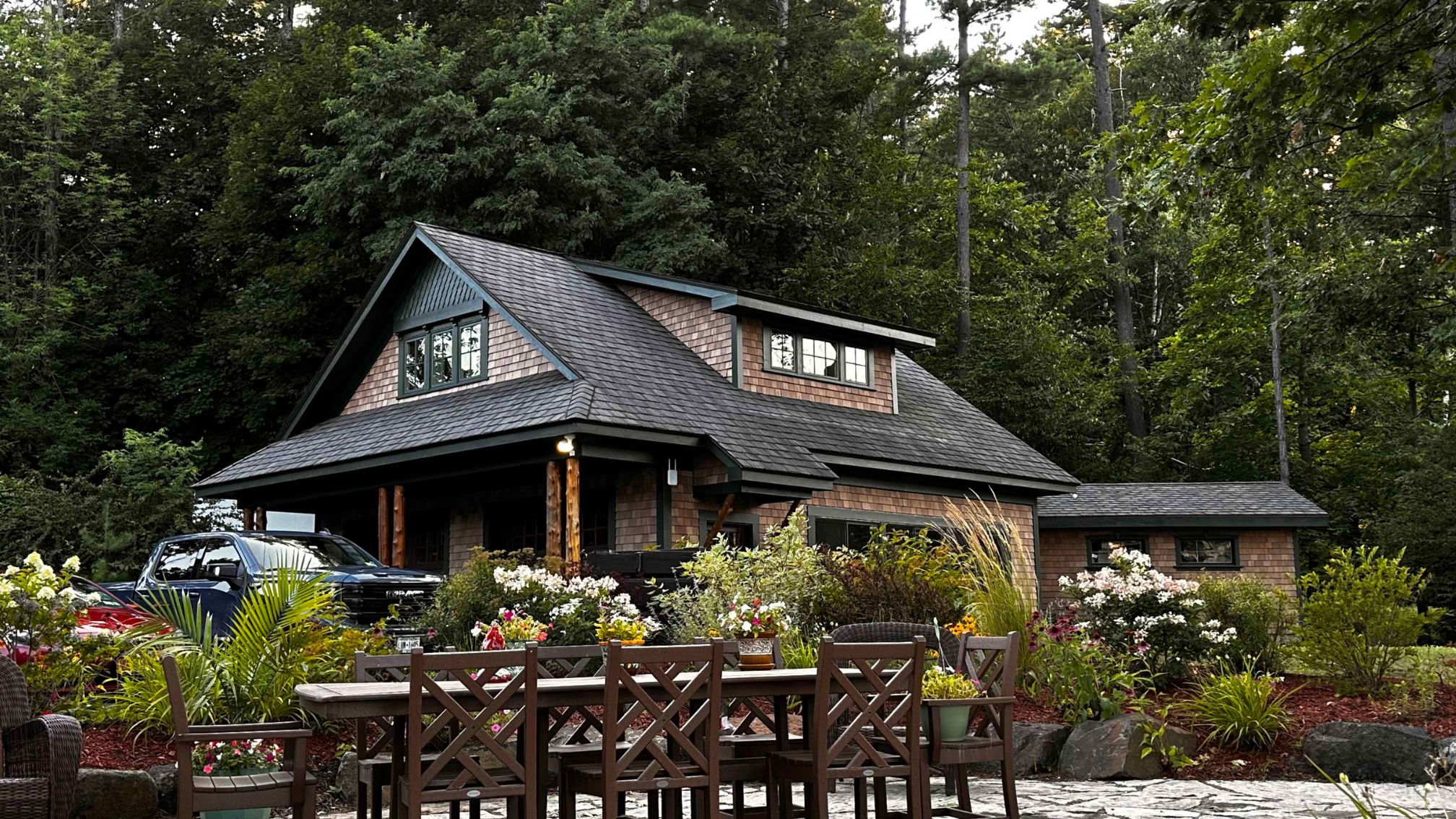
You’re probably here because you’ve looked at enough listings in Saratoga Springs, Albany, Clifton Park, or up toward Lake George to know the same thing a lot of homeowners figure out. The house you want either doesn’t exist, or it exists in pieces spread across five different properties.
Maybe you want a mudroom that works in February. Maybe you’re tired of tiny bathrooms, awkward kitchens, or a floor plan that fights the way your family lives. Maybe you own land in Washington County, or you’ve got a lake-view lot near Queensbury, and you want a home that fits the site instead of forcing a generic plan onto it.
That’s where custom building starts to make sense. Not because it’s flashy, and not because every project needs to be huge, but because a custom home lets you solve real problems before the first shovel goes in the ground.
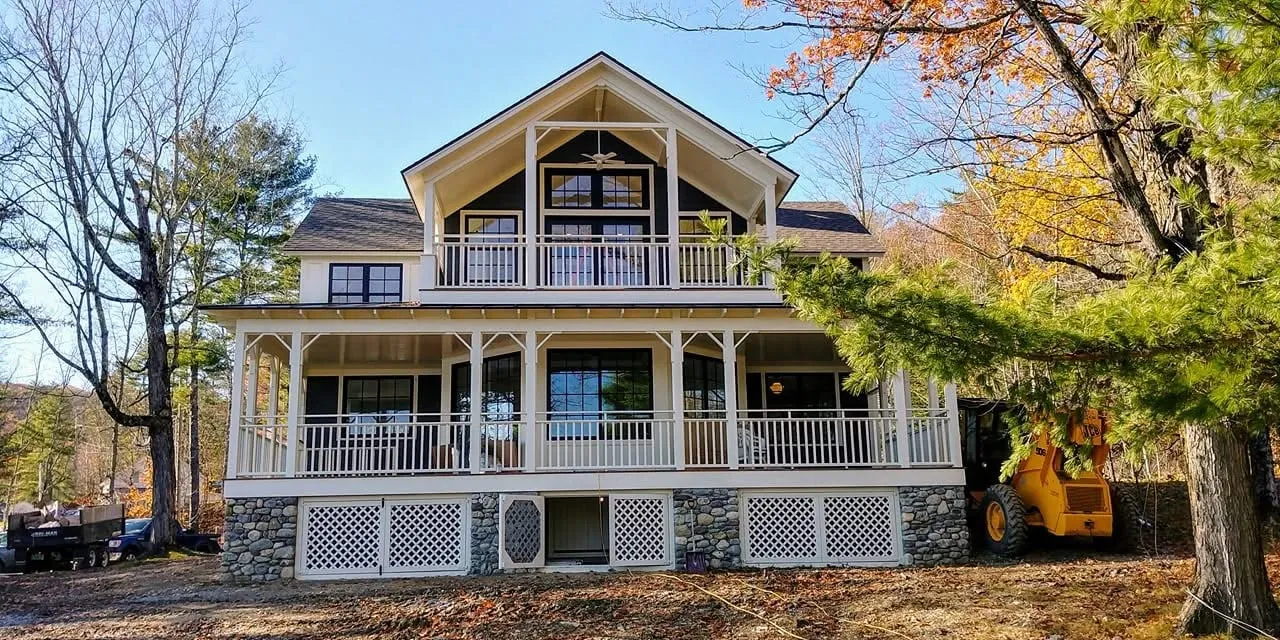
Dreaming of Your Capital Region Custom Home
A lot of custom home conversations start the same way. Someone says, “We don’t need a mansion. We just want a house that makes sense.”
That might mean a modern farmhouse outside Glens Falls with a deep porch and a real pantry. It might mean a clean, quiet home in Clifton Park with first-floor living for the long haul. It might mean a retreat near Saratoga Lake or Lake George where the views matter, the windows matter, and the way the home sits on the land matters even more.

Why people start looking at custom instead of resale
In the Capital Region, buyers hit a wall with resale homes for a few common reasons:
- The layout is wrong: Older homes often have chopped-up kitchens, undersized closets, or no useful transition space for boots, coats, and gear.
- The lot is right but the house isn’t: This happens all the time on rural parcels and lake-area properties.
- The renovation math stops working: Once you add structural changes, mechanical updates, insulation work, and finish upgrades, starting fresh can make more sense.
- You want a home that ages well: Wider halls, better storage, quieter rooms, and smarter circulation aren’t luxuries. They’re practical design decisions.
A good custom home doesn’t feel custom because it’s expensive. It feels custom because daily life gets easier.
There’s also a bigger reason homeowners keep choosing this route. The custom market has held up better than many people expect. According to national custom home start data reported by Residential Design Magazine, the custom home sector posted 4% year-over-year growth in the second quarter of 2025, with 54,000 custom homes starting construction nationwide.
Why this matters in Upstate New York
That resilience makes sense on the ground. Around Albany, Saratoga Springs, Hudson Falls, and the surrounding counties, custom clients are usually building for a specific reason. They already have land, they’ve outgrown their current house, or they’re planning for a long-term home instead of a short-term purchase.
That creates a different kind of project. It’s less about chasing trends and more about getting the site, structure, layout, and finishes right the first time.
If you’re searching for custom home builders ny, that’s usually what you’re really looking for. Not just someone who can build a house, but someone who can help turn a piece of land or a rough idea into a home that fits this region and the way you live.
What Custom Home Builders Actually Do
People use the term “builder” pretty loosely. In practice, the job can mean very different things depending on who you hire.
Some contractors step in after the drawings are done to price and manage the build. That can work, but it often leaves the homeowner in the middle, trying to translate between designer, engineer, town reviewer, and trades.
A real custom builder, especially in a design-build setup, handles much more than swinging hammers or scheduling subs. The builder helps shape the plan, pressure-test the budget, coordinate the details, and keep the job moving when site conditions or selections change.
Think of it like directing a film
The easiest analogy is a film director. You can hire talented people for lighting, camera work, sound, wardrobe, and editing, but if nobody is coordinating the whole production, things drift fast.
A design-build firm works the same way. One team oversees the concept, the technical drawings, the pricing, the permit flow, the field work, and the finish decisions. That doesn’t remove every challenge, but it cuts down confusion.
If you want a closer look at that kind of process, custom home building services in the Capital Region usually show how one team can carry a project from planning through construction.
What the builder should be doing before construction starts
The strongest custom home builders ny clients hire are heavily involved before the foundation is ever poured. That early work usually includes:
- Site review: Looking at access, grading, setbacks, drainage, views, and how the house should sit on the lot.
- Budget alignment: Matching plan size, structural needs, and finish level to a realistic spending range.
- Design coordination: Making sure layout ideas work not just on paper, but in framing, mechanical runs, and day-to-day use.
- Permit support: Preparing the information towns and code reviewers need.
- Scope control: Catching vague allowances and missing details before they turn into change orders.
Practical rule: If the builder can’t explain how your budget connects to your drawings, your project is still too loose.
The difference between order taking and actual guidance
This is where some homeowners get burned. They bring in sketches, ask for pricing, and get a number back without much discussion. That’s not guidance. That’s order taking.
Good builders push back when needed. They’ll tell you when a roofline is driving unnecessary cost, when a window layout complicates framing, or when a wish-list feature belongs in phase two instead of day one. They’re not there to kill ideas. They’re there to keep the project buildable.
In places like Albany, Saratoga, and Glens Falls, that matters because no two lots behave the same way. A flat suburban parcel and a sloped rural site in Washington County are two completely different jobs. The builder’s role is to make those differences visible early, before they become expensive.
The Custom Home Journey Step by Step
Homeowners often feel more confident about custom building once they understand the sequence. The process remains a significant undertaking, but it no longer feels mysterious.
The best projects move in an orderly way. Decisions build on each other. Budget, design, engineering, permits, and construction all connect, and when one piece gets rushed, the rest usually pays for it.

Step one is land, lifestyle, and budget
The first real conversation isn’t about backsplash tile. It’s about how you live and what the property demands.
A family building outside Saratoga Springs may care about school-year traffic flow, storage, and a kitchen that can handle daily use. A couple building near Lake George may care more about view orientation, outdoor living, and low-maintenance materials. If the lot is in a rural part of Washington County, driveway access, utility planning, and site prep become a much bigger part of the discussion.
At this stage, the smartest thing you can do is be honest about priorities. Separate must-haves from nice-to-haves. A bigger great room, a walk-in pantry, a first-floor primary suite, a workshop, custom built-ins, or a screened porch can all be good choices. They just don’t all carry the same cost or structural impact.
Step two is turning ideas into buildable plans
Rough concepts become real drawings during this stage. The plan has to do more than look good in a rendering. It has to work structurally, mechanically, and on your site.
In Upstate New York, the technical side matters a lot. According to this overview of custom home building plans in New York, professional plans commonly specify 2×6 exterior walls for insulation and structural strength, which is especially important for seasonal temperature swings and snow loads.
That kind of detail isn’t glamorous, but it changes how the house performs. It affects wall thickness, window depth, insulation strategy, framing cost, and the long-term feel of the home in January.
What solid plans usually account for
- Structural loads: Roof design, snow load demands, and how those loads transfer down to the foundation.
- Wall systems: Exterior and interior framing choices that support insulation, plumbing, and room dimensions.
- Mechanical space: Duct runs, plumbing chases, electrical paths, and service areas.
- Foundation needs: Frost concerns, soil behavior, drainage, and water management.
On a lakefront or rural lot, a pretty floor plan can fall apart fast if the engineering doesn’t respect the land.
Step three is permits, approvals, and pre-construction decisions
A lot of homeowners underestimate this part because not much visible construction is happening yet. But this phase often decides whether the build feels smooth or chaotic.
Town reviews, code comments, site-specific adjustments, and trade pricing all happen here. If your property is in a more sensitive area, such as near water or in a location with tricky grading, permit coordination can take more attention. The same goes for historic areas or homes that combine renovation work with an addition.
A few pre-construction decisions make an outsized difference:
- Locking the footprint early so site work and engineering stay aligned.
- Choosing major windows and doors in time because openings affect framing.
- Confirming kitchen and bath layouts early so plumbing and electrical don’t get revised in the field.
Step four is construction in the real world
Once the build starts, the visible sequence becomes easier to follow. Site work leads to foundation. Foundation leads to framing. Framing leads to roofing, windows, mechanical rough-ins, insulation, drywall, trim, cabinetry, tile, paint, and final finishes.
Each phase depends on the one before it being done correctly.
Here’s a simple view of the flow:
| Phase | What happens |
|---|---|
| Site and foundation | Clearing, excavation, foundation work, drainage planning |
| Framing and dry-in | Framing, roof structure, windows, exterior protection |
| Rough-ins | Plumbing, electrical, HVAC installation |
| Interior build-out | Insulation, drywall, trim, cabinets, tile, flooring |
| Completion | Fixtures, punch list, final walkthrough |
Step five is finish work and the final walkthrough
This is the part homeowners look forward to most, and for good reason. It’s where the house starts feeling personal.
It’s also where patience still matters. Finish work shows everything. Good trim, cabinetry, built-ins, flooring transitions, and paint prep take time. Rushing the last stage to save a couple of weeks is one of the worst trade-offs in the whole project.
The final walkthrough should never feel like a formality. It should feel like a careful review of the details that make the home function well from day one.
Costs and Timelines in the Albany Saratoga Area
Let’s get to the part everybody wants to know. What does it cost, and how long does it take?
The honest answer is that custom homes don’t come with one reliable price tag. A build in Clifton Park on a straightforward lot is different from a build near Lake George with slope, views, access issues, and higher site demands. A simple shape with efficient framing behaves differently from a plan with complex rooflines, large spans, and highly customized interior work.
What the New York numbers actually look like
For New York custom home projects, industry data on the state’s home building market puts professional services in the range of $57,597 to $84,389. The same source says construction costs often fall between $200 and $400 per square foot, depending on complexity and finishes.
Those numbers are useful, but only if you understand what pushes a project toward one end of the range or the other.
What drives cost in this region
In the Albany-Saratoga area, budget pressure usually comes from a handful of places:
- Site work: Rural lots can need more clearing, longer drives, more grading, and more utility coordination.
- Foundation complexity: Sloped land, drainage issues, and difficult soil conditions change the foundation strategy.
- House shape: Corners, bump-outs, roof complexity, and large openings all add labor and material cost.
- Finish level: Cabinetry, tile, trim packages, built-ins, and specialty millwork can move the budget quickly.
- Mechanical expectations: Zoned heating and cooling, comfort upgrades, and energy-focused assemblies add value, but they also add cost.
A lot of clients focus on the square-foot number and miss the site. That’s a mistake. A smaller house on a challenging lot can cost more than a larger house on an easy one.
If you want a cleaner budget, spend more time on scope clarity before construction and less time reacting after the walls are up.
Timelines are shaped by decisions, not just labor
People often ask for an exact build timeline early on. That’s understandable, but no honest builder should pretend every custom home follows the same calendar.
Some delays are predictable. Permit review can take time. Winter weather can slow certain site tasks. Long-lead selections can affect framing or finish sequencing. Change orders made midstream can ripple through multiple trades.
A realistic custom schedule in this region usually needs room for:
| Stage | What affects the pace |
|---|---|
| Planning and design | Decision speed, drawing revisions, engineering coordination |
| Permits and approvals | Town review timelines, site-specific comments, required revisions |
| Construction | Weather, material lead times, field conditions, owner changes |
| Finish stage | Custom millwork, tile complexity, fixture arrival, punch list items |
The best way to protect the timeline isn’t to rush. It’s to decide early, document clearly, and avoid making structural or layout changes once construction is underway.
Why a Design Build Firm Makes Sense
There’s a reason many homeowners move toward design-build after talking to a few different professionals. They don’t want to manage a relay race. They want one coordinated team.
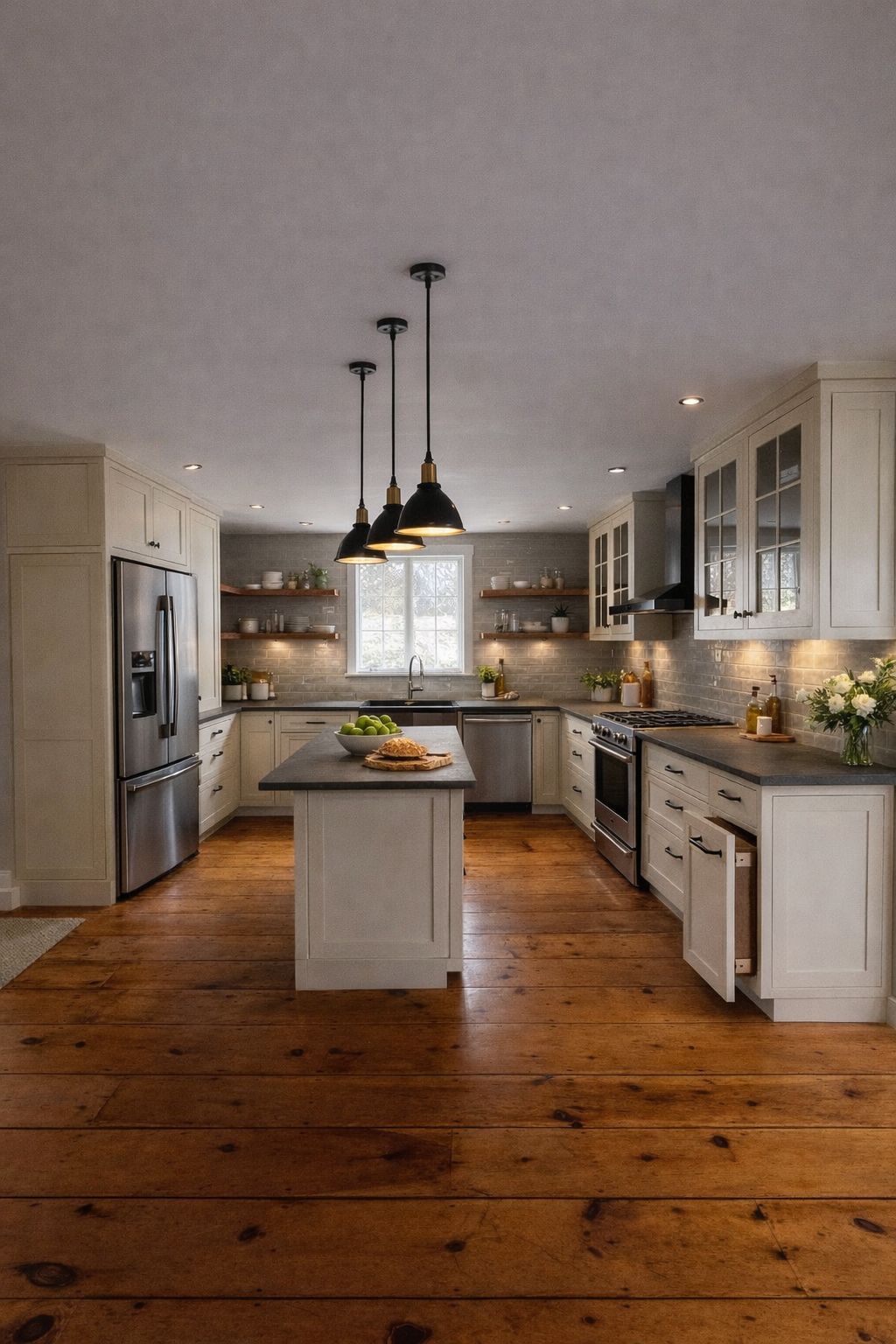
When design and construction are separated, gaps show up fast. The drawings may look good, but key pricing details can still be vague. The builder may spot problems, but by then the plan is already emotionally locked in. Then the revisions start, and so does the finger-pointing.
Better coordination usually means fewer bad surprises
A strong design-build process forces the team to think through materials, assemblies, and scope before construction starts. That matters because the expensive mistakes on custom jobs are rarely dramatic. They’re usually small omissions that stack up.
According to this breakdown of detailed pre-construction specifications, design-build firms that use thorough specification documents before construction can reduce budget overruns by 15% to 25% compared with hiring an architect and builder separately.
That doesn’t mean every project is easy. It means the team has done more homework before the job becomes expensive to change.
Why homeowners like the single-team model
The design-build advantage usually comes down to three practical benefits:
- One point of accountability: Homeowners aren’t stuck sorting out who owns a problem.
- Earlier budget feedback: Cost and design are discussed together, not in separate silos.
- Cleaner decision-making: Selections, field conditions, and plan updates stay connected.
If you’re weighing models, this look at design-build versus a general contractor lays out the difference in a straightforward way.
One local option for this kind of integrated process is Smooth Cuts Custom Homes & Furniture, which handles planning, design-build work, permits, construction, and interior finish coordination in the Capital Region. That kind of all-in-one structure tends to work well for homeowners who want one team carrying the project from concept to completion.
“The more complete the decisions are before the job starts, the calmer the build usually feels.”
Choosing the Right Builder for Your Upstate NY Home
By the time you start interviewing builders, the biggest risk isn’t always price. It’s mismatch.
A builder can be talented and still be wrong for your project. Someone who’s comfortable on straightforward suburban sites may not be the right fit for a lake-area lot with grading, drainage, and view considerations. Someone who builds clean new homes may not be the right person to blend a custom addition into an older house near Saratoga Springs.
Questions worth asking in the first meeting
You don’t need to sound like a construction expert. You just need to ask questions that reveal how the builder thinks.
Here are the ones that tend to tell you the most:
- How do you handle budget development early? You’re listening for a real process, not a vague promise to “keep costs down.”
- What happens if site conditions change? Rural and sloped lots can surprise everyone. You want to hear how they document and communicate adjustments.
- Who is my day-to-day contact? If the answer is fuzzy now, communication will probably be fuzzy later.
- How much of the design and specification work is done before construction starts? More detail upfront usually means fewer headaches later.
- What kinds of projects do you handle most often? Their recent work should sound similar to what you need.
Local experience matters more than a polished pitch
In this part of New York, local knowledge shows up in small but important ways. A builder who knows Warren County lakefront conditions, Washington County rural lot issues, or the character of neighborhoods around Albany and Clifton Park is usually going to ask better questions up front.
That doesn’t mean they need to have built on your exact road. It means they understand what this region asks of a house and a build team.
If you’re comparing firms, it helps to review what defines a high-end custom home builder in practical terms, especially around process, materials, and project fit.
Red flags that should slow you down
A few warning signs come up again and again:
- The bid is dramatically low: Sometimes that means missing scope, weak allowances, or details that haven’t been priced accurately.
- Everything sounds easy: Custom work is rewarding, but it isn’t simple. If nobody mentions trade-offs, they may not be thinking thoroughly enough.
- There’s pressure to commit before details are clear: That usually benefits the contract, not the homeowner.
- They can’t explain their process in plain language: Clear builders usually run clearer jobs.
A good fit feels steady. The builder answers directly, talks through trade-offs, and doesn’t need to oversell. That’s what you want whether you’re building in Hudson Falls, renovating near Glens Falls, or planning a custom home outside Saratoga.
Frequently Asked Questions
Can I build a custom home on rural land in Washington County or near Hudson Falls?
Yes, but rural land needs more early homework than many people expect. Access, grading, utility planning, drainage, and permit requirements all need attention before the plan is far along. A lot that looks simple from the road can still add complexity once site work starts, so the best move is to review the land and budget together before getting attached to a specific design.
Is it better to renovate an older home or start fresh?
It depends on the structure, layout, and what you’re trying to achieve. If the house has good bones and the footprint mostly works, a renovation with thoughtful custom additions can make sense. If you’re changing major walls, updating systems throughout, and still fighting the original layout, a new custom build may give you a better long-term result.
How much detail should be decided before construction begins?
More than most homeowners think. Floor plan, window strategy, structural approach, major kitchen and bath layouts, and key finish directions should be settled before the job starts. The more vague the project is at contract time, the more likely you are to deal with pricing surprises, delays, or mid-build revisions.
Can a builder help with custom interiors too, not just the shell of the house?
Yes, and that’s often where a project comes together. Built-ins, trim details, storage, kitchen layout, bathroom planning, and furniture-scale decisions all affect how the house lives day to day. For many homeowners in Saratoga Springs, Albany, Glens Falls, and Clifton Park, that interior coordination is what makes the home feel finished instead of just completed.